Fifty thousand people, about twenty working water points.
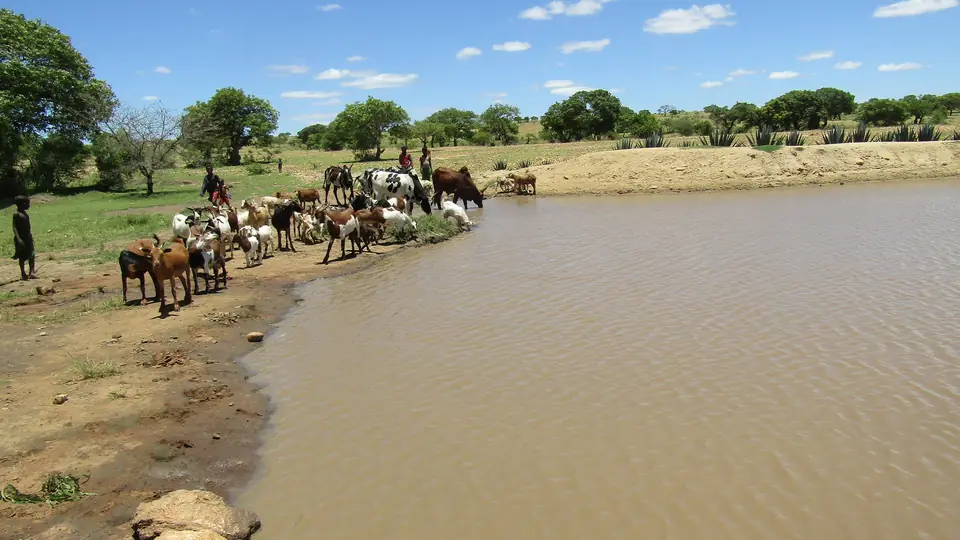
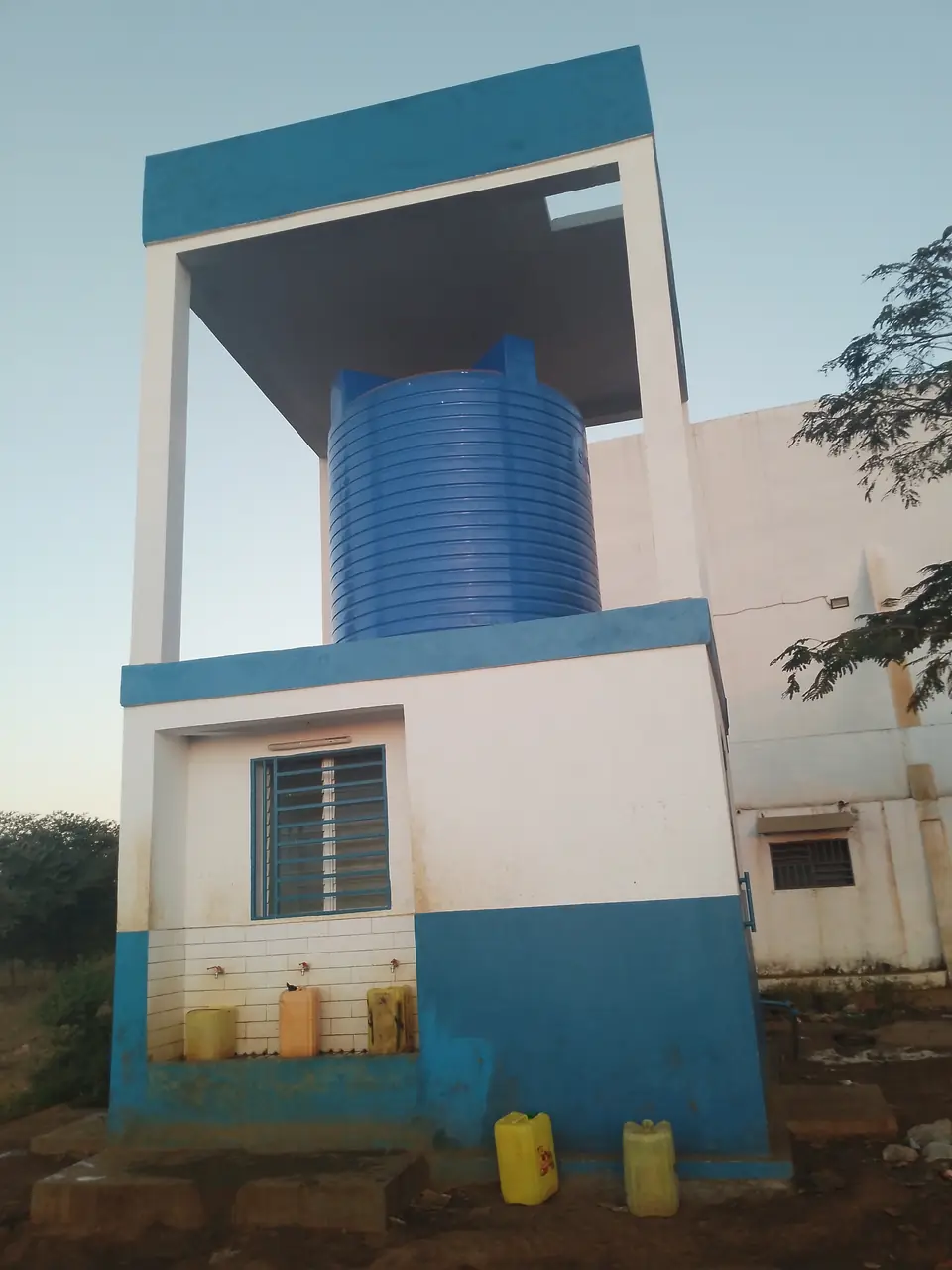
Ampotaka, in southern Madagascar, has around 15 to 20 working water points for more than 50,000 people. WHO guidance says one point should serve at most 500. Here each one serves 2,500 to 3,300.
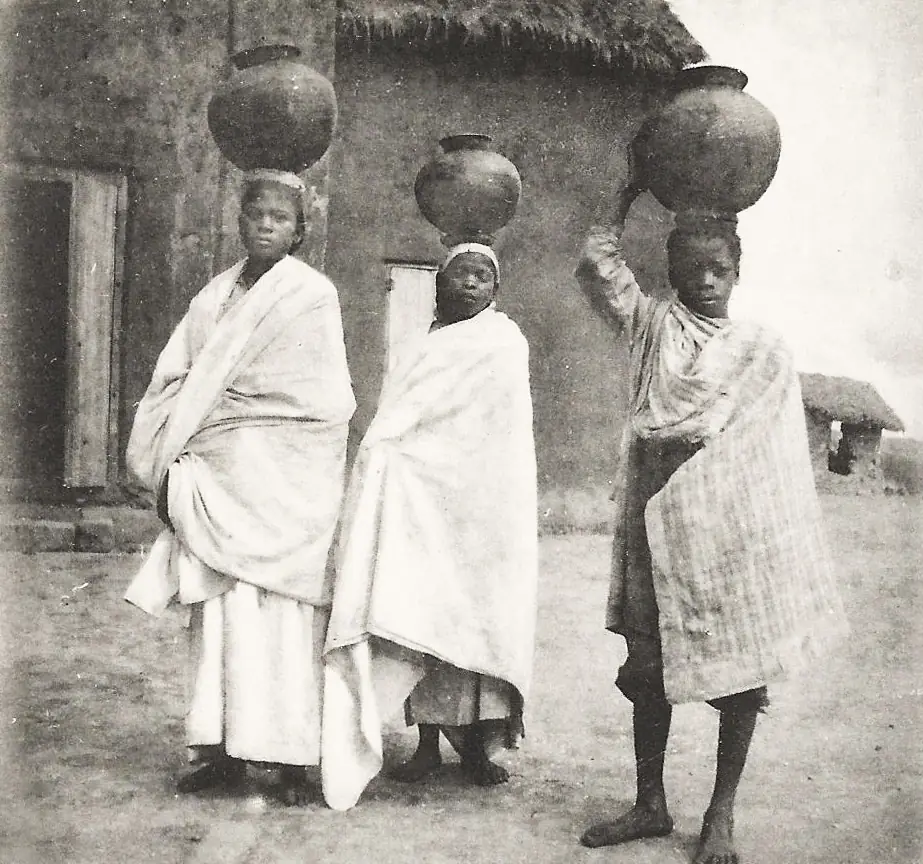
Women and children queue before dawn. Arguments start daily. Informal collection means most fees are never paid, so pumps wait for a catastrophic failure before anyone repairs them.
CWAS replaces the queue with a booked time, replaces cash with mobile money and replaces the paper list with a record everybody can trust.
The five problems we solve
- Scheduling conflict
Everyone arrives at the same peak hour.
- Inequitable access
Elderly, disabled and single-parent households lose out.
- Financial collapse
Most informal fees are never collected.
- Zero transparency
No records, so no way to audit.
- Reactive maintenance
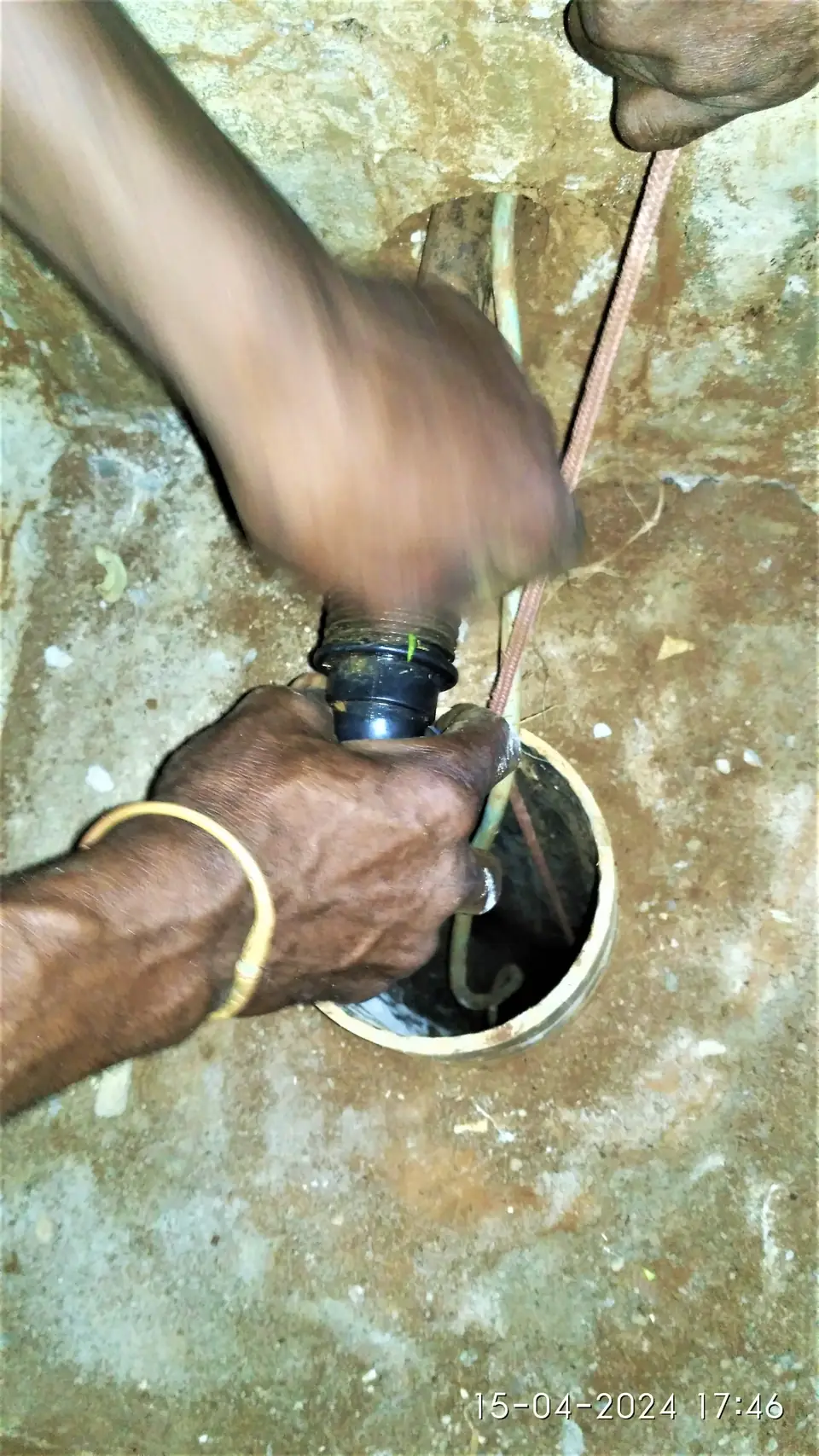
Repairs cost three to five times more after a failure.
Pilot scope
Phase one covers Ampotaka commune: 25 water points and about 12,500 households over the first six months. Release 1.0 does not control pumps or valves, connect to national utility billing or deploy sensors.
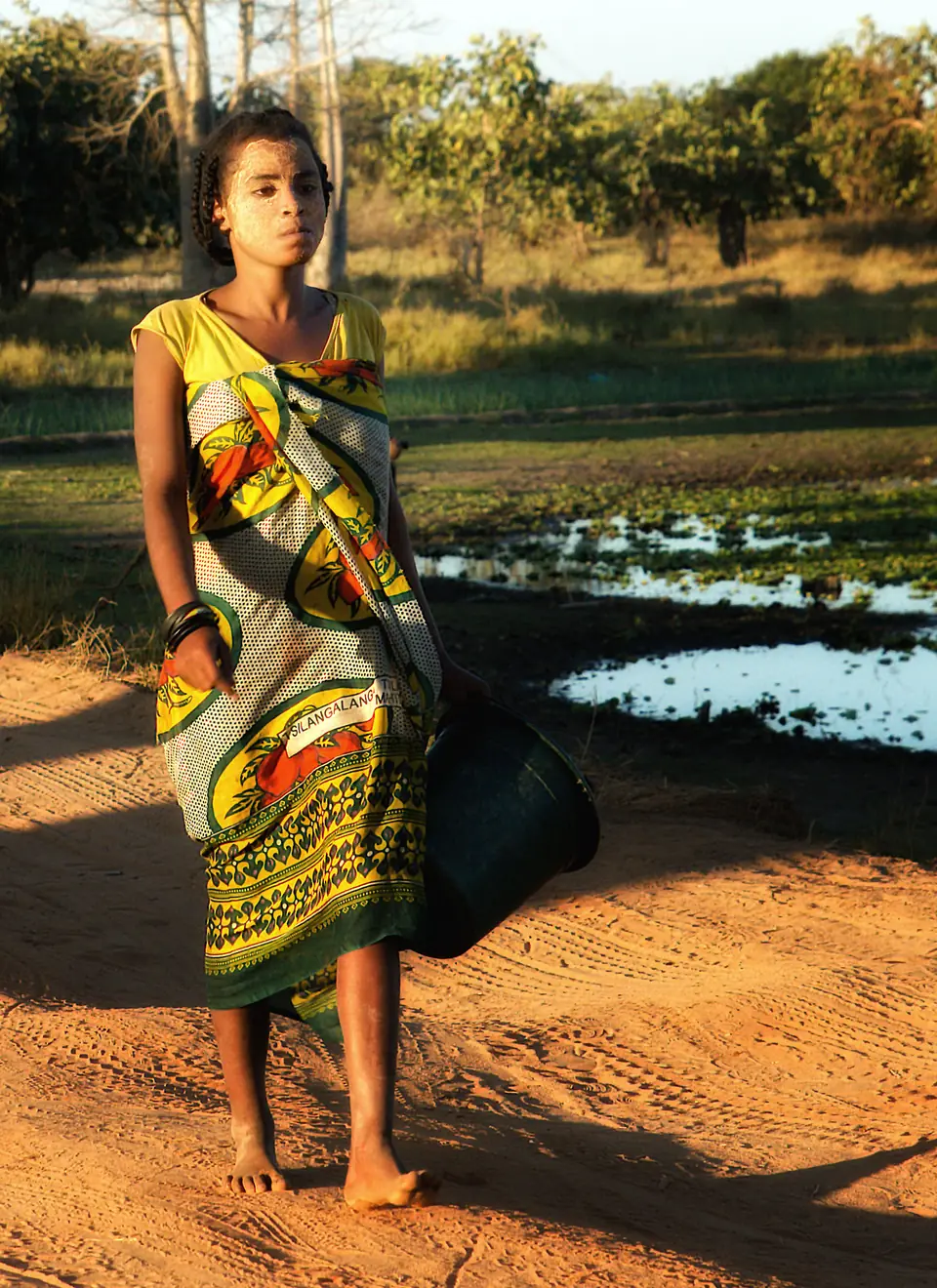
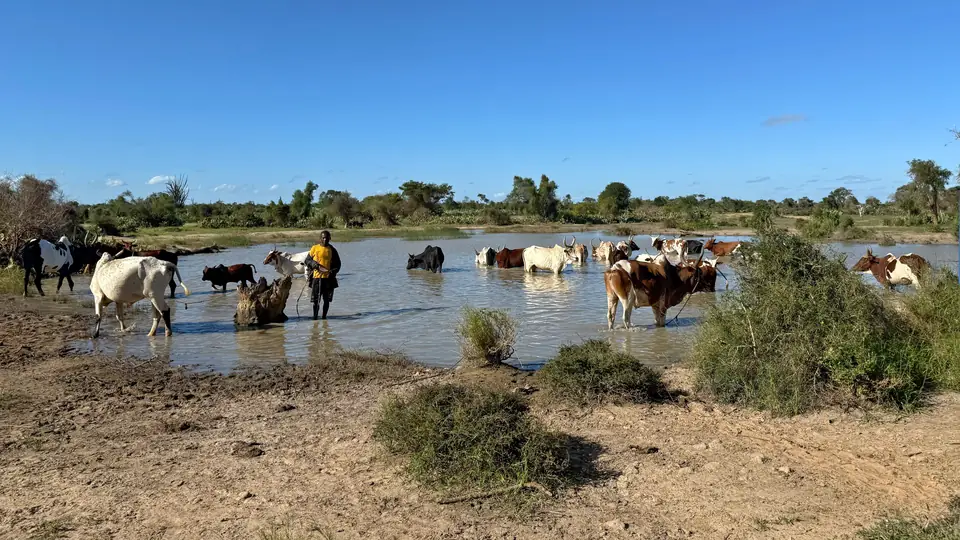
Ampotaka and the south, in pictures